Vila Velha
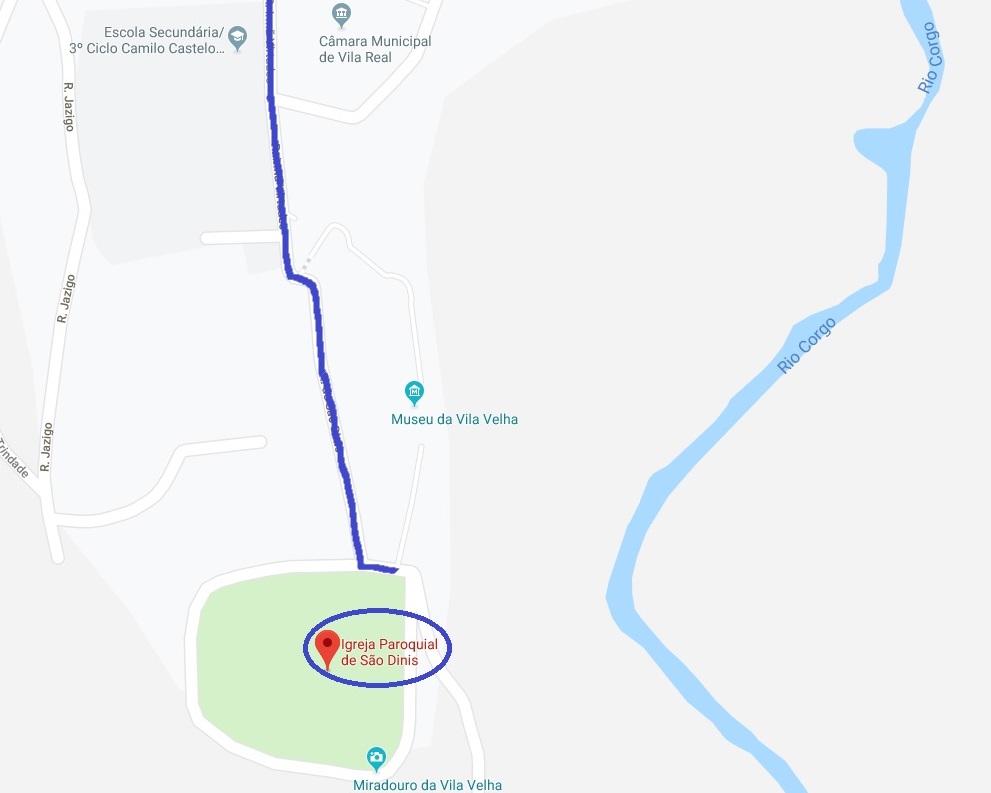
Located in the central part of the city of Vila Real, Vila Velha Region is one of the most important historical monuments, being themselves as Old Walls, that protect and shelter the enemies, today they are destroyed and any other eminent vestige.
Still in Vila Velha, there are 2 assemblies that are being a Church of São Brás and a Church of São Dinis.
Ancient Walls of Vila Real
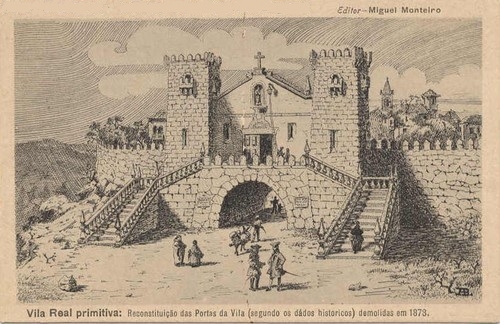
Like all fortifications of medieval times, the walls were intended to protect the village within them from enemy attacks and looting which was very common at the time by the Normans.
Vila Real, as a small medieval village, also had walls, which in our days no longer exist due to the use of its stones for the construction of other buildings, as in the case of the building of the PSP of Vila Real.
Placed under a rocky zone bathed in the bottom of a valley by the river corgo, there were two doors of access to the borough, less busy, where no taxes were charged (and also the most inaccessible) would be where Vila Velha is today, behind of the Municipal Camera building.
Camara Municipal of Vila Real reconstructed the old way entrance from the museum building to the Camara municipal with the purpose of preserving in the memory of the Vila Real the old door of the Village.
With respect to the main door, it is not known for sure where it would be placed, there are theories that were placed in the bottom of the city, but for lack of written information can not be accurately argued.
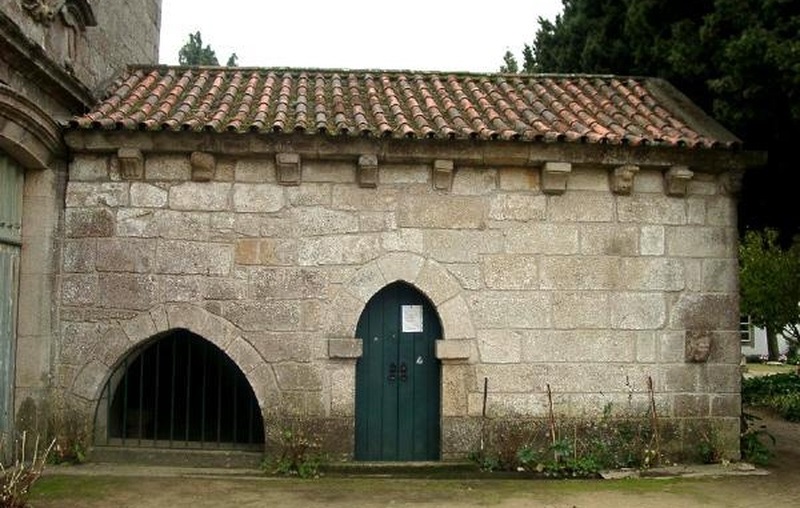
Chapel of Saint Brás
The chapel of Saint Brás is considered as the oldest religious temple in the city of Vila Real. This small monument, makes us go back to the past, and relive the early days of Vila Real, when it was just a medieval village.
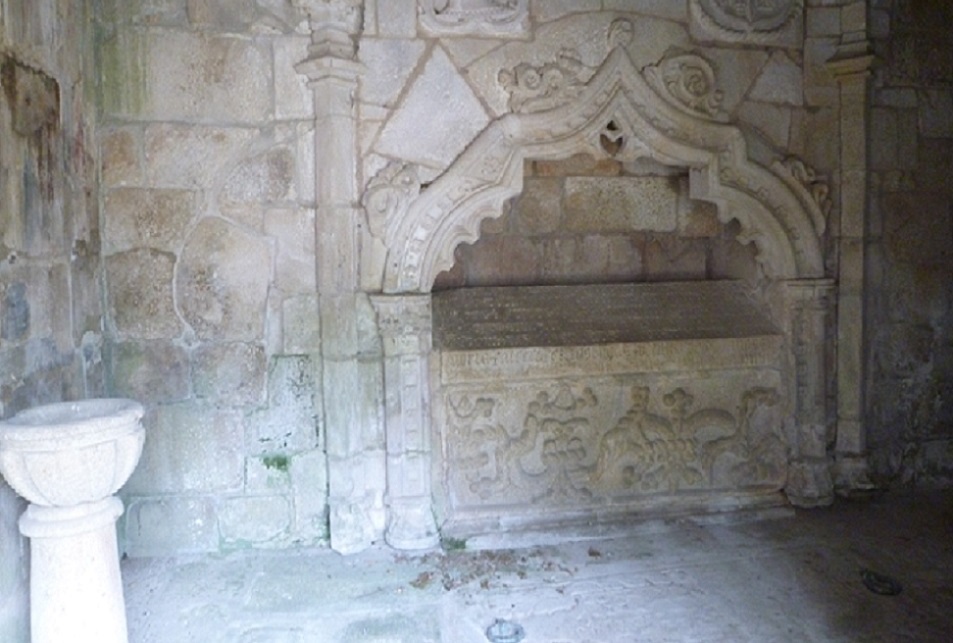
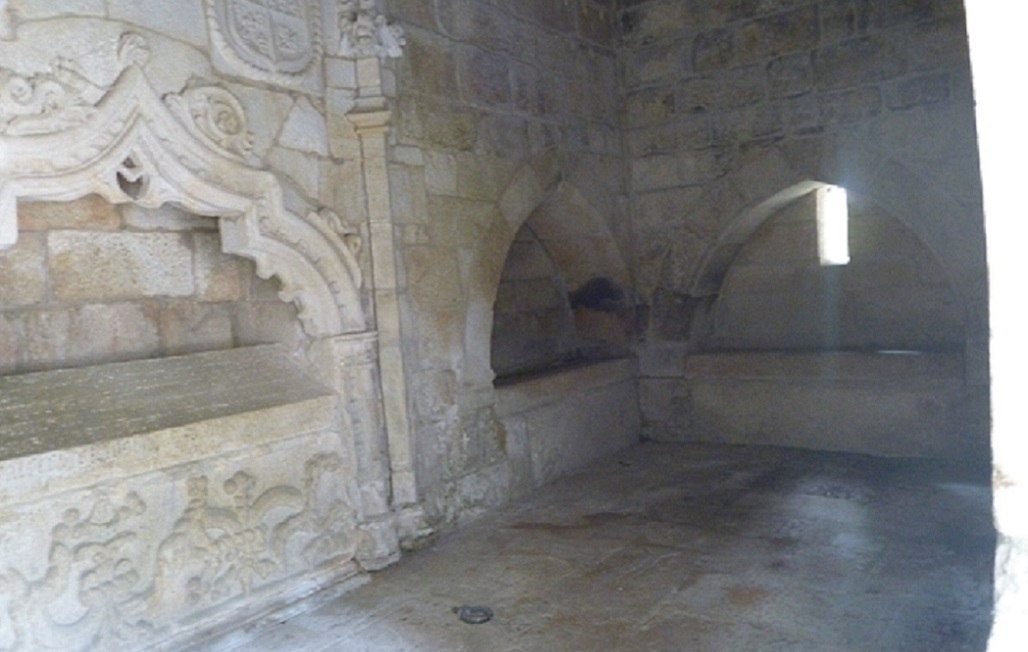
The caphel was constructed at 1289 (13th century) by order of the monarch D. Dinis, the chapel is still considered a Romanesque work very characteristic of the medieval ages..Inside,is transformed into a funerary chapel where some of the most important mens of this city were buried in medieval times.
However, two great legends hover within the walls of this place, the grave of Lourenço Egas, nothing more than a companion of arms of the first king of Portugal, D. Afonso Henriques and the grave that has been well preserved throughout the ages, belonging to João Teixeira de Macedo, a nobleman, from the court of D.Afonso V and his advisor.
The chapel of São Brás and the tomb of Teixeira de Macedo were considered a national monument in 1910
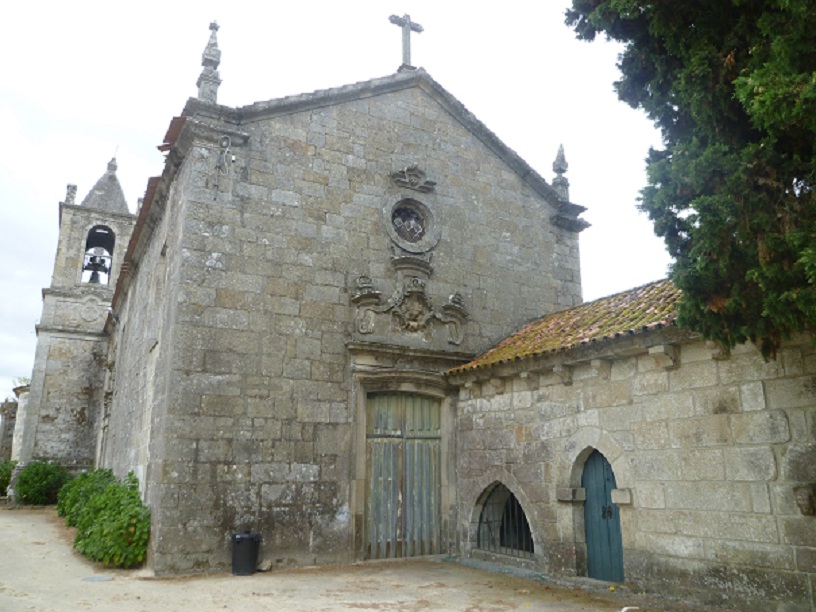
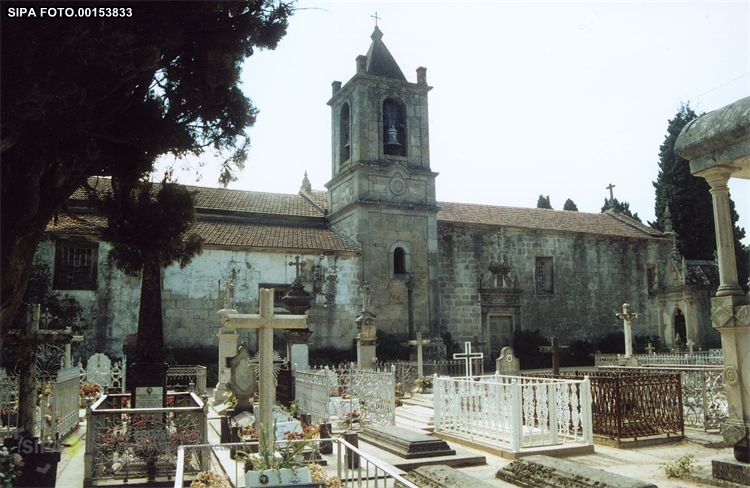
Church of Saint Dinis
The church of St. Dinis, in the old village, dates from medieval times around 1297, as the third chapel of Vila Real. This majestic monument has several architectural styles, however, with the predominance of the Romanesque due to its destitution of ornamentation and austere lines.
Was very common at the time of the construction of this church make mixtures of various architectural styles, because when a new artistic movement appeared in the world, it arrived to Portugal years later, which already other architectural movements also arrived and were implemented together.
This religious monument by the thirteenth century is currently closed to the public because of the risk the roof collapsing. People say that inside is exposed the image of '' Our Withe lady ‘’ the same saint who was placed at the top of the gates of the old medieval village when it was still surrounded by walls.